Why Your Lipid Barrier Is The Key To Healthy Skin
One of the most misunderstood aspects of skin health is the lipid barrier, also commonly called the skin barrier. In fact, a large percentage of the skin concerns I have seen in my treatment room, like acne, sensitivity, and premature aging, can all be traced back to one thing… a compromised lipid barrier.
If your skin feels dry but still breaks out, stings when you apply products, or never seems to stay hydrated no matter what you use, your skin barrier is likely asking for help.
Let’s break this down in a simple, grounded way: what the lipid barrier is, how it works, how to recognize when it’s damaged, and how to support repair.
What Is the Lipid Barrier Made Of?
The lipid barrier is formed by a delicate balance of oil and water.
-
Oil is produced by the sebaceous glands
-
Water comes from the skin’s internal environment
When oil and water naturally emulsify on the surface of the skin, they create a protective layer made up of lipids (fats), moisture, and beneficial microflora. This living layer is your skin’s first line of defense.
The Lipid Barrier, Acid Mantle, and Microbiome
You may also hear the lipid barrier referred to as the acid mantle or the skin microbiome. These terms are closely related and describe how the skin protects itself.
The lipid barrier is slightly acidic, thriving at a pH between 4.5 and 5.5. In this optimal range, the skin:
-
Discourages harmful, non-resident bacteria
-
Buffers the effects of active ingredients
-
Regulates oil production
-
Prevents environmental toxins from penetrating
Think of the lipid barrier as adaptogenic. When the skin has enough moisture and lipid support, it signals the oil glands to slow down production. When the barrier is stripped or disrupted, oil production often increases as a stress response.
Harsh cleansers, alcohol-based products, prolonged use of strong acids, over-exfoliation, and environmental as well as lifestyle stressors can all push the skin’s pH outside its healthy range. Over time, this leads to inflammation, dehydration, collagen breakdown, and visible aging.
Skin Barrier Function and Transepidermal Water Loss (TEWL)
One of the primary roles of a healthy lipid barrier is preventing Transepidermal Water Loss (TEWL), the process by which water escapes from the skin into the environment.
TEWL increases when the skin barrier is compromised by:
-
Over-cleansing
-
Using drying or foaming cleansers
-
Lack of surface moisture
-
Products designed to aggressively dry out the skin
When TEWL is minimized, the skin maintains a hydrated internal environment that supports:
-
Reduced inflammation
-
Balanced bacteria
-
Strong collagen and elastin
-
Improved texture and resilience
Hydrated skin functions better at every level.

Signs of a Compromised Skin Barrier
If you’re experiencing one or more of the following, your lipid barrier may be impaired:
-
Acne breakouts paired with dryness or dehydration
-
Redness, rashes, blotchiness, or irritation
-
Fine lines that appear suddenly (static lines)
-
Skin that won’t hold hydration despite heavy moisturizing
-
Burning, stinging, or sensitivity when applying products
These are signs that you should put down any active ingredients and strip your routine down to solely nourishing and calming ingredients.

Ingredients That Help Repair the Lipid Barrier
The most important ingredients for repairing the skin barrier are essential fatty acids (EFAs).
EFAs play a critical role in:
-
Maintaining cell membrane integrity
-
Supporting the skin’s immune function
-
Improving hydration and elasticity
-
Protecting the inner structures of the cell responsible for energy and metabolism
Some of the most effective EFAs come from whole-food, marine sources such as micro-algae and seaweed. These lipids are highly bio-compatible and easily recognized by the skin.
How I Support Lipid Barrier Repair in Practice
When I work with clients on repairing their skin barrier, we almost always simplify first.
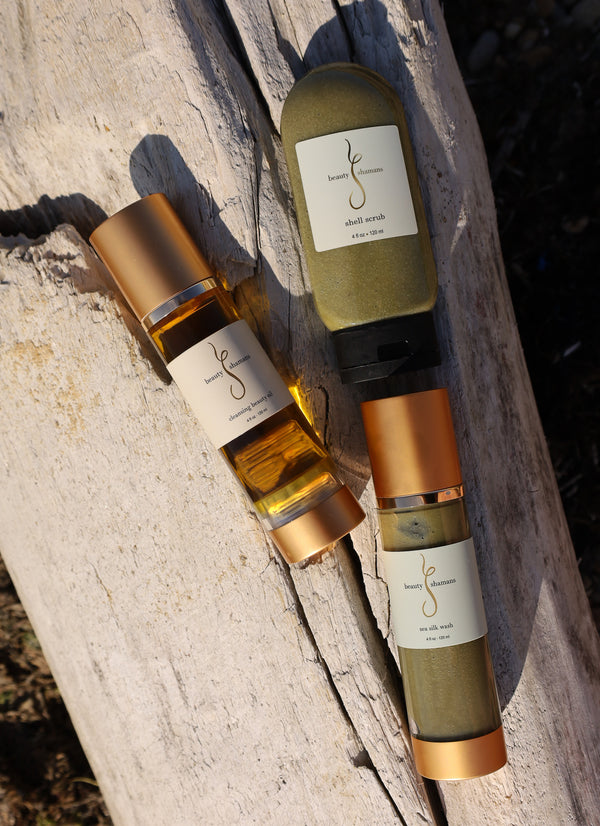
One of the most effective changes is introducing a cleansing oil into the routine. Oil cleansing helps:
-
Clean the skin without stripping
-
Soften and remove dead skin cells
-
Deliver anti-inflammatory essential fatty acids
-
Support the skin’s natural pH
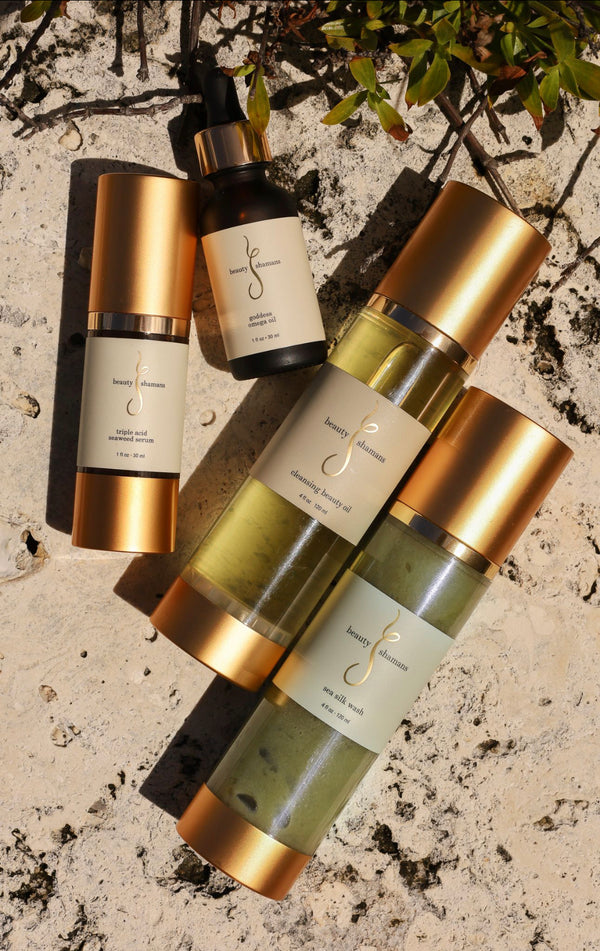
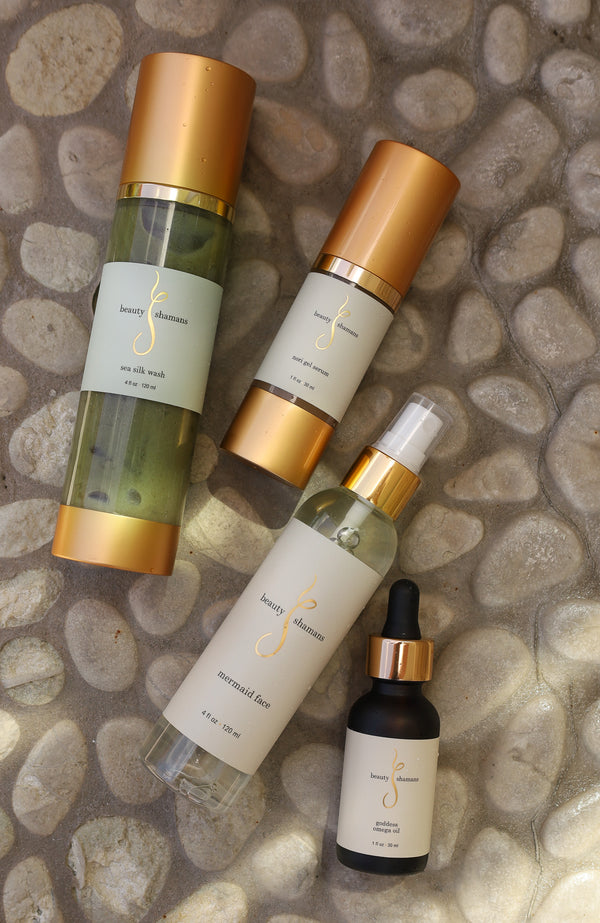
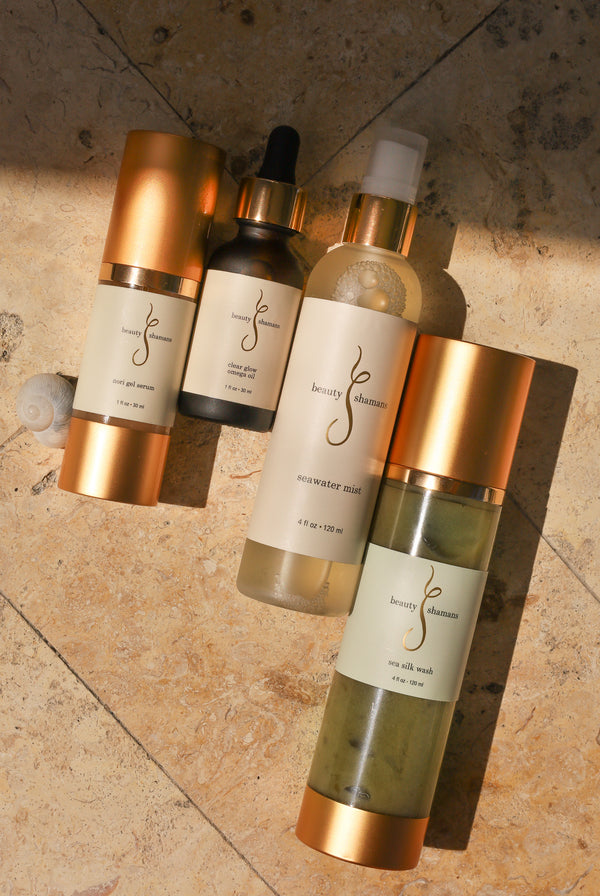
From there, we add a nutrient-dense facial oil. Especially one rich in omega-3 fatty acids to reinforce the barrier throughout the day.

PURCHASE
How to Use Facial Oils for Barrier Repair
Facial oils work best when used intentionally:
-
Apply to clean skin after serums
-
Or mix a few drops into your nightly moisturizer
-
Use consistently to allow the skin to adapt and rebalance (this is also a great time to incorporate light facial massage)
Lightweight, omega-rich oils help the skin retain moisture longer, calm inflammation, and restore balance without clogging pores.

LEARN MORE
Final Thoughts: Why the Lipid Barrier Should Guide Your Skincare Choices
Healthy skin doesn’t come from constantly correcting problems. It comes from creating the foundation where the skin can function properly.
When your lipid barrier is strong, the skin is more resilient, hydrated, clear, and responsive. Breakouts calm down. Sensitivity diminishes. Fine lines soften. Products begin to work with your skin instead of against it.
Before adding more actives, more acids, or more steps, ask:
-
Is my skin barrier supported?
-
Am I protecting moisture or constantly stripping it away?
When you choose skincare that honors the lipid barrier, you’re not just treating symptoms… you’re restoring the skin’s natural intelligence. And that’s where long-term skin health truly begins.